
How long does a kitchen remodel take in Charlotte, NC?
A kitchen remodel runs in phases, and the phases that take the longest are often the ones you cannot see from the kitchen.
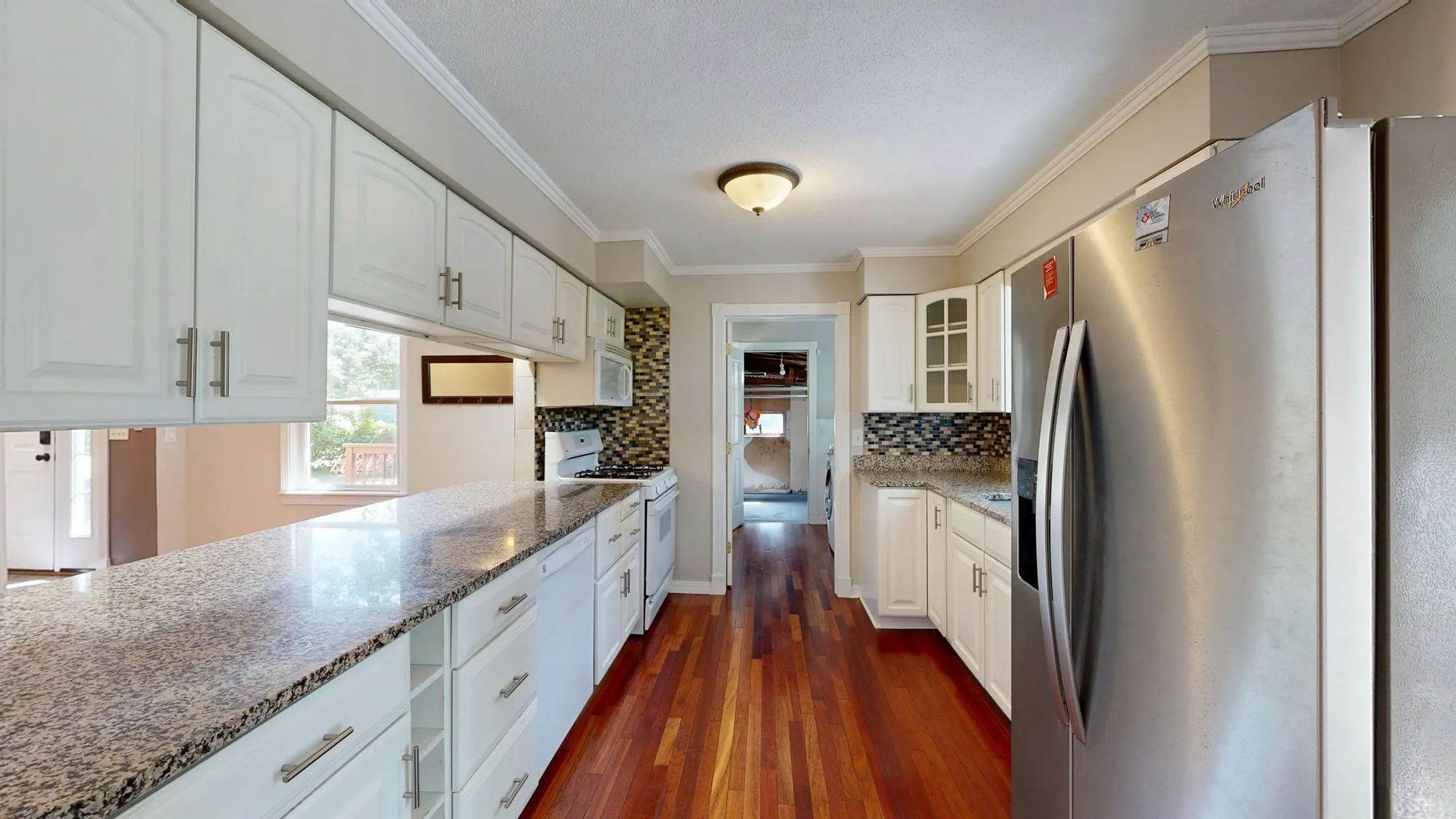
The phase before anyone picks up a hammer
Design and selections are the part most homeowners underestimate. Measuring the room, drawing the layout, settling on cabinets, counters, tile, fixtures and appliances all happen before demolition. This phase is where schedules are quietly won or lost. A layout that changes after cabinets are ordered costs far more time than one that changes on paper.
Decisions made slowly here show up later as delays. If you are unsure how the layout should work, our kitchen layout and design guide covers the questions worth settling first.
Ordering and lead times
Once selections are final, products get ordered, and this is usually the longest quiet stretch of the whole project. Cabinets, especially semi-custom and custom lines, are often built to order. Stone and quartz slabs may need to be chosen and held. Appliances, specialty tile and plumbing fixtures can each have their own lead time, and any one of them can become the item everything else waits on.
A good habit is to confirm every ordered item has arrived and been checked for damage or wrong finishes before demolition begins. A kitchen torn out while the cabinets are still weeks away leaves you cooking in a hallway for no reason.
Demolition and rough-in
Demolition is dramatic and relatively quick. Cabinets, counters, flooring and sometimes walls come out, and the crew finds out what is really behind the finishes. Older homes can reveal old wiring, damaged subfloor, or plumbing that does not match the drawings. This is the point where an honest contractor shows you photos and explains options.
Rough-in follows: the electrical, plumbing and sometimes gas and ventilation work that lives inside walls and floors. If the layout changes, this phase grows. If the sink, range or refrigerator stays where it is, it is often simpler. Our kitchen remodeling page explains how scope changes the job.
Inspections
Work that involves electrical, plumbing, gas or structure is often inspected before walls are closed. Inspectors have their own schedules, and a failed or rescheduled inspection can pause work for a stretch. Rules and timing vary by jurisdiction, so read our permits guide and confirm the process with your local permitting office.
Closing up, cabinets and counters

Counters come next, and this is a step that surprises people. Stone and quartz counters are usually templated after the cabinets are set, because the template needs to match the real, installed cabinets. Fabrication then happens off site, and installation is scheduled afterward. That gap between template and install is a normal part of the process, and it is the reason the sink and cooktop are often not usable for a while after cabinets appear. Tile backsplash, plumbing fixtures, electrical trim, hardware and appliances all finish after counters.
The punch list
The last phase is a walk-through list of small fixes: a cabinet door that needs adjusting, a paint touch-up, a missing caulk line. A job that feels nearly done can still need a few days to close out, so do not schedule a large dinner on the earliest possible date.
What delays kitchen remodels
- Late or changed selections after orders are placed.
- Backordered products or a damaged item that must be reordered.
- Hidden conditions found after demolition, such as rot or outdated wiring.
- Inspection scheduling or a correction that must be reinspected.
- Scope changes midway, especially moving walls, plumbing or appliances.
- Weather, when work touches the exterior or deliveries.
Most of these are easier to absorb when you ask your contractor up front which items have the longest lead times and what the plan is if one slips.
Living without a kitchen

What to do next
If you are weighing a project, start with the decisions that set the schedule: scope, layout and finish level. Our cost page explains what drives the number without quoting one, and the FAQ answers common questions. When you are ready to talk through your own kitchen, book a design consult and we will go through your room and your calendar together.
Questions about this
Which phase of a kitchen remodel takes the longest?
It varies, but ordering and lead times are often the longest stretch, especially with built-to-order cabinets or slab counters. Design and selections can also run long when decisions come slowly. Ask your contractor which items on your job have the longest lead time, and what the plan is if one arrives late.
Why can't I use my new counters right after the cabinets go in?
Stone and quartz counters are usually templated after cabinets are installed, then fabricated off site, then installed. That sequence takes time, so the sink and cooktop often wait. Plan your temporary kitchen to stay in place until counters and plumbing are done.
Can I speed up my kitchen remodel?
Mostly by deciding early. Finalize layout and selections before anything is ordered, avoid changes once work begins, and ask about long lead items first. Rushing the design phase usually costs more time later than it saves, because a change after ordering can mean reordering, rescheduling trades and waiting again.
Should I move out during a kitchen remodel?
Most households stay, using a temporary kitchen in another room. Moving out is worth considering when the project also affects bathrooms, floors throughout the house, or when dust and noise are a problem for someone's health or work.
An hour at your kitchen table.
A free design consult in your home. You leave with a plan, a timeline, and an honest opinion about what's worth doing. The number comes after the design, and it doesn't move.