
Shutoff guide
How to shut off your water in an emergency in Matthews, NC
When water is moving where it should not, the first job is to stop it. Learn where your shutoffs are today so you are not hunting for them in the dark.
Know the two kinds of shutoff
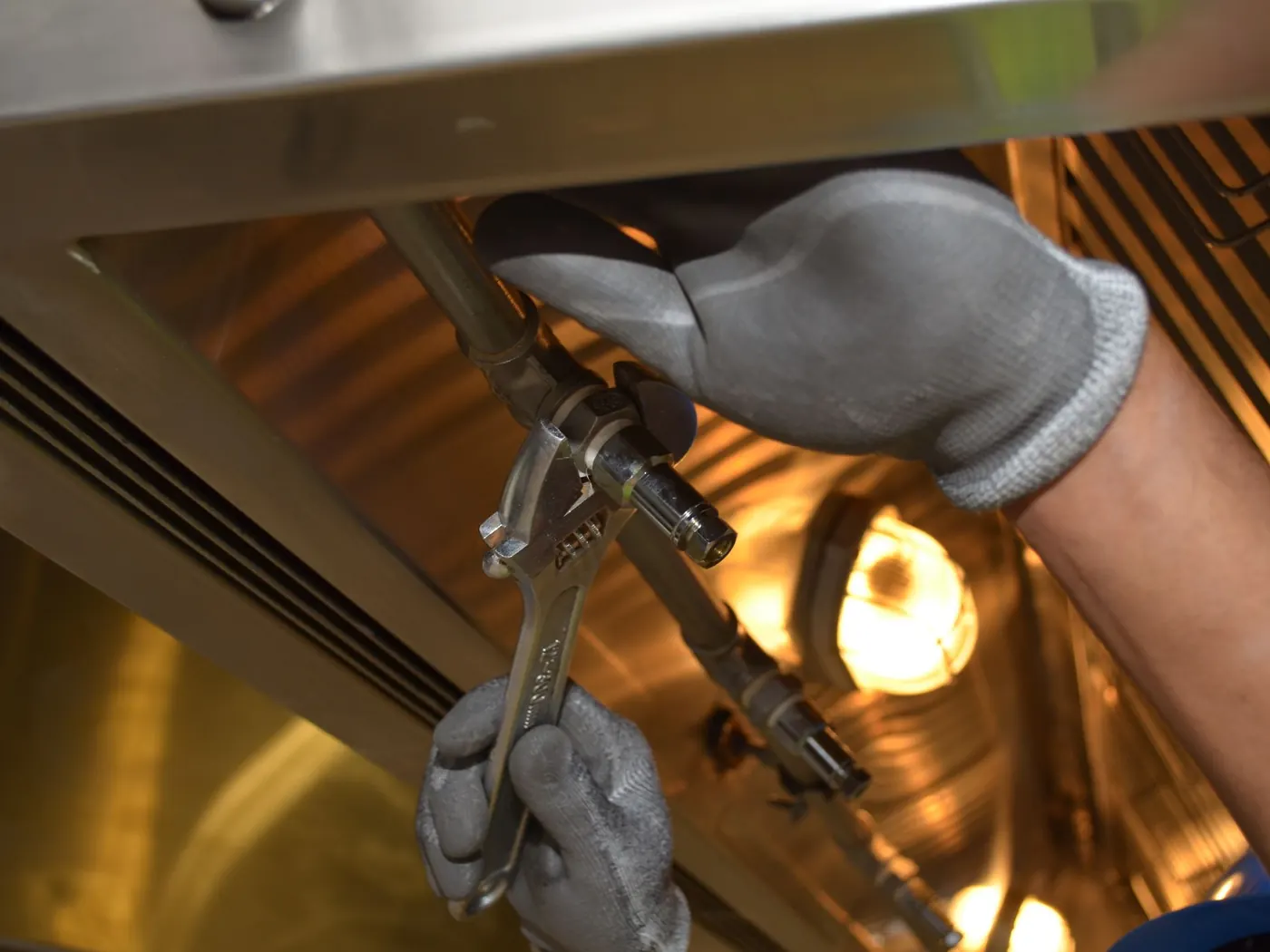
Every home has a main shutoff that controls all the water coming in, and most fixtures have their own small stop valves. A toilet, sink or dishwasher with a failed hose can often be stopped at its own valve in seconds, and nobody else in the house loses water.
The main is for everything else: a burst pipe, a leak you cannot locate, or any fixture with no working stop of its own. Our emergency guide lists which problems call for a plumber right away.
Finding the main shutoff
- Look where the line enters the houseWater usually comes in through the foundation wall, a crawlspace, a garage, a utility room or a basement. Follow the pipe from where it enters. The first valve you reach is often the house-side main.
- Check near the water heater and the hose spigotSome homes put the main near the heater. Others put it on the wall closest to the street.
- Find the meter boxNear the street there is usually a meter in a box with a lid. The utility's shutoff sits there. That one often needs a special key, and it is generally the utility's valve, so leave it alone unless you are told otherwise.
- Mark itOnce you find the house-side main, tag it so anyone in the family can find it. Take a photo of the location and keep it on your phone.
Ball valve or gate valve
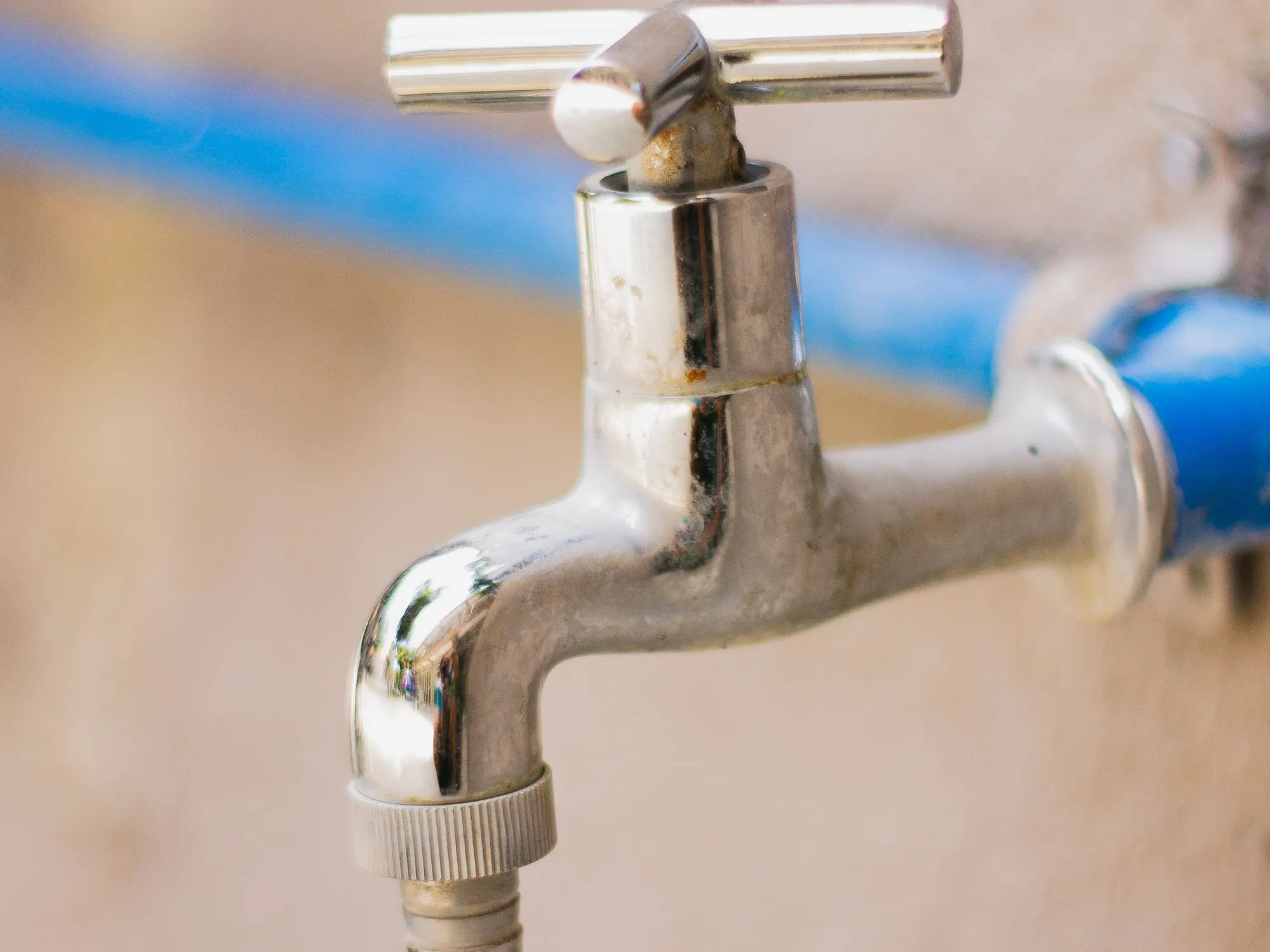
A ball valve has a lever handle. Parallel to the pipe means open, and a quarter turn across the pipe means closed. A gate valve has a round wheel handle like an outdoor spigot. You turn it clockwise to close, and it takes several full turns.
Gate valves are older and are known for seizing or breaking after years of sitting still. Turn one gently. If it will not move, do not force it, because a snapped stem can turn a small problem into a large one. That is a good reason to call a plumber and to consider replacing it with a ball valve while things are calm.
Fixture stops work the same way: clockwise to close, and turn them off by hand only.
Turning off the water heater safely
If a pipe has burst or the heater itself is leaking, close the cold supply line to the heater. That stops more water from entering the tank. On an electric unit, switch off its breaker. On a gas unit, turn the gas control to its off or pilot setting. Never leave an electric element powered with the tank empty, because it can burn out.
If the main is closed, open a hot tap on an upper floor and a cold tap on a lower floor to let the lines drain. That relieves pressure and brings down the amount of water that can leak. Our water heater guide explains what a failing tank looks like.
What to do afterward
- Contain the waterMove rugs and furniture, lay towels and use a wet vac if you have one. Water that sits in carpet, wall bottoms and subfloor is what turns a plumbing issue into a mold issue.
- Take photosDocument the damage and the failed part before cleaning up. Your insurer may want them, and coverage depends on your policy, so ask them what applies.
- Do not turn it back on to checkLeave the water off until the failed part has been identified or fixed.
- Call a plumberTell them what failed, where the water was coming from and what you shut off.
Teach the household
A shutoff only helps if people can reach it. Show everyone old enough to help where the main is, which way the handle turns and where the fixture stops are. If the valve sits behind stored boxes or in a crawlspace, clear a path now. A flashlight kept near the valve is a small habit that pays off the one night you need it.
Test your shutoff before you need it
Once a year, close the main fully, open a faucet to confirm the flow stops, then reopen the valve slowly. Do the same with the stops under the sinks and toilets. Valves that sit untouched can freeze in place, and this test is how you find out on a calm afternoon instead of in a flood.
If a valve drips after you operate it, will not close all the way or is stiff, ask to have it replaced. It is a small job compared with water damage.
When to call
Call right away if water will not stop after you close the main, if it is coming through a ceiling or wall, or if you cannot find or turn the valve. You can book a visit for a valve you want replaced, and see how a leak call works on our leak repair page.
Questions people ask before they call
Why won't my main shutoff valve turn?
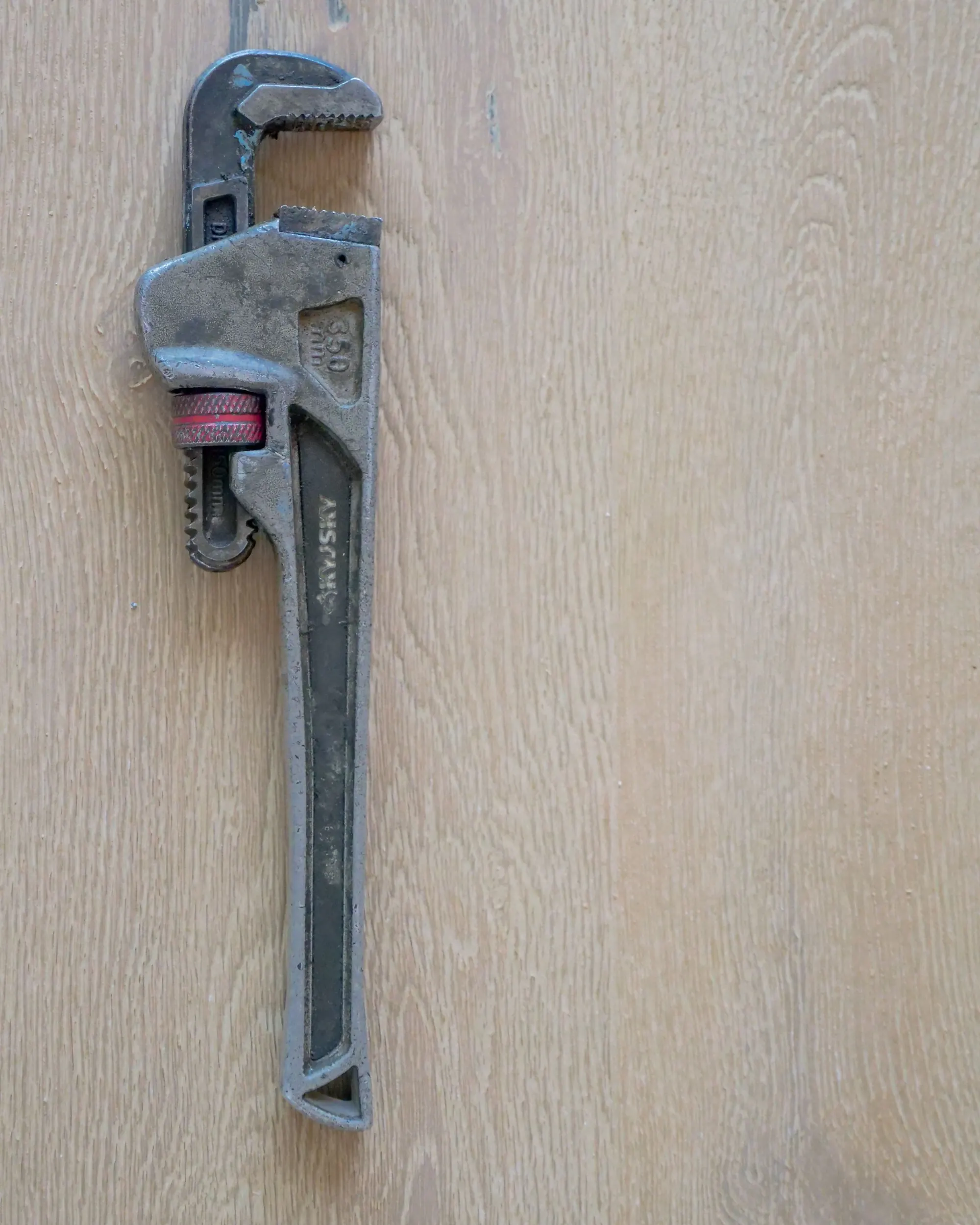
Valves that go years without use build up mineral and corrosion inside, especially older gate valves. Do not force it with a pipe wrench or a cheater bar, because the stem can snap. A plumber can free it or replace it, and replacing a stiff main on a calm day is far easier than doing it during a leak.
Is it safe to shut off the water at the street?
The valve at the meter usually belongs to the utility, and it may need a special tool. Use your own house-side main first. If you cannot reach it or it will not close, call the utility or a plumber instead of working on the street-side shutoff yourself.
Do I need to drain the pipes after shutting off the main?
Often it helps, but it is not always required. Opening a few taps lets the pipes drain and relieves pressure, which can cut down on further leaking. Open one on an upper floor and one on the lowest floor. Leave them open until the repair is done.